Altitude
5897 m
José Ribas refuge
4800 m
Parking lot → refuge
1 h · 200 m
Refuge → summit
1100 m · about 6 h
First ascent
1872
Difficulty
7/10
Why climb it
Four reasons to climb Cotopaxi
01
An active volcano with a nearly perfect cone
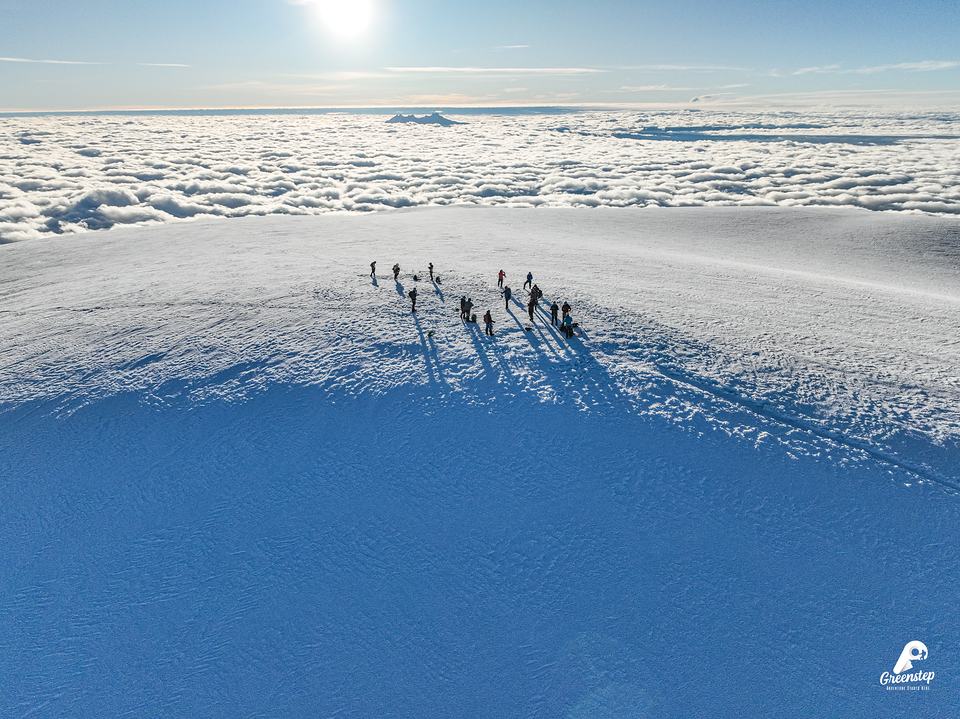
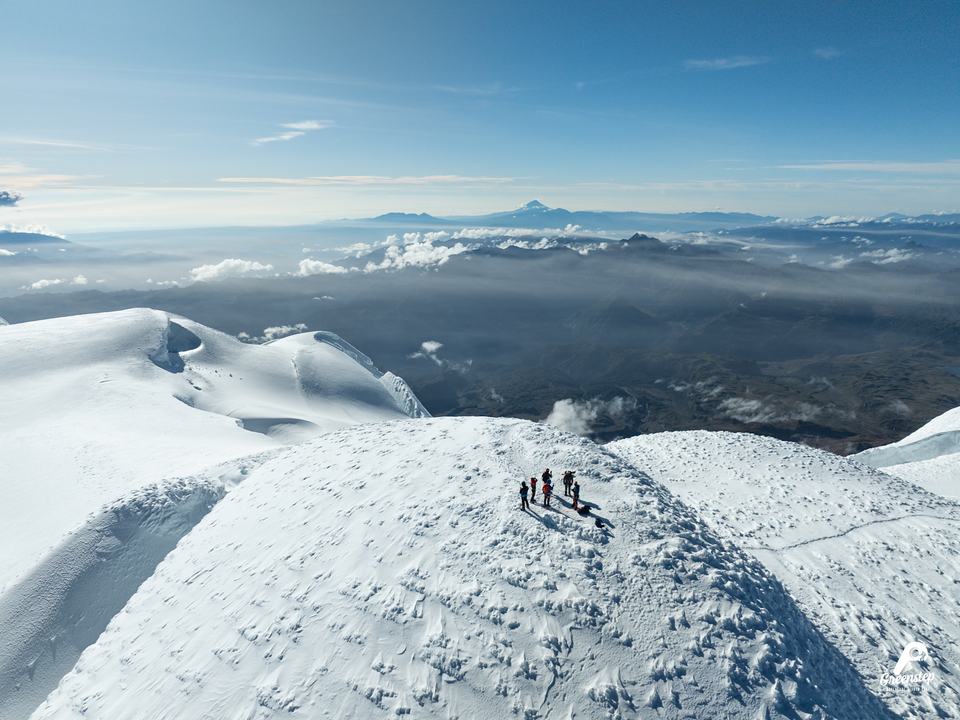
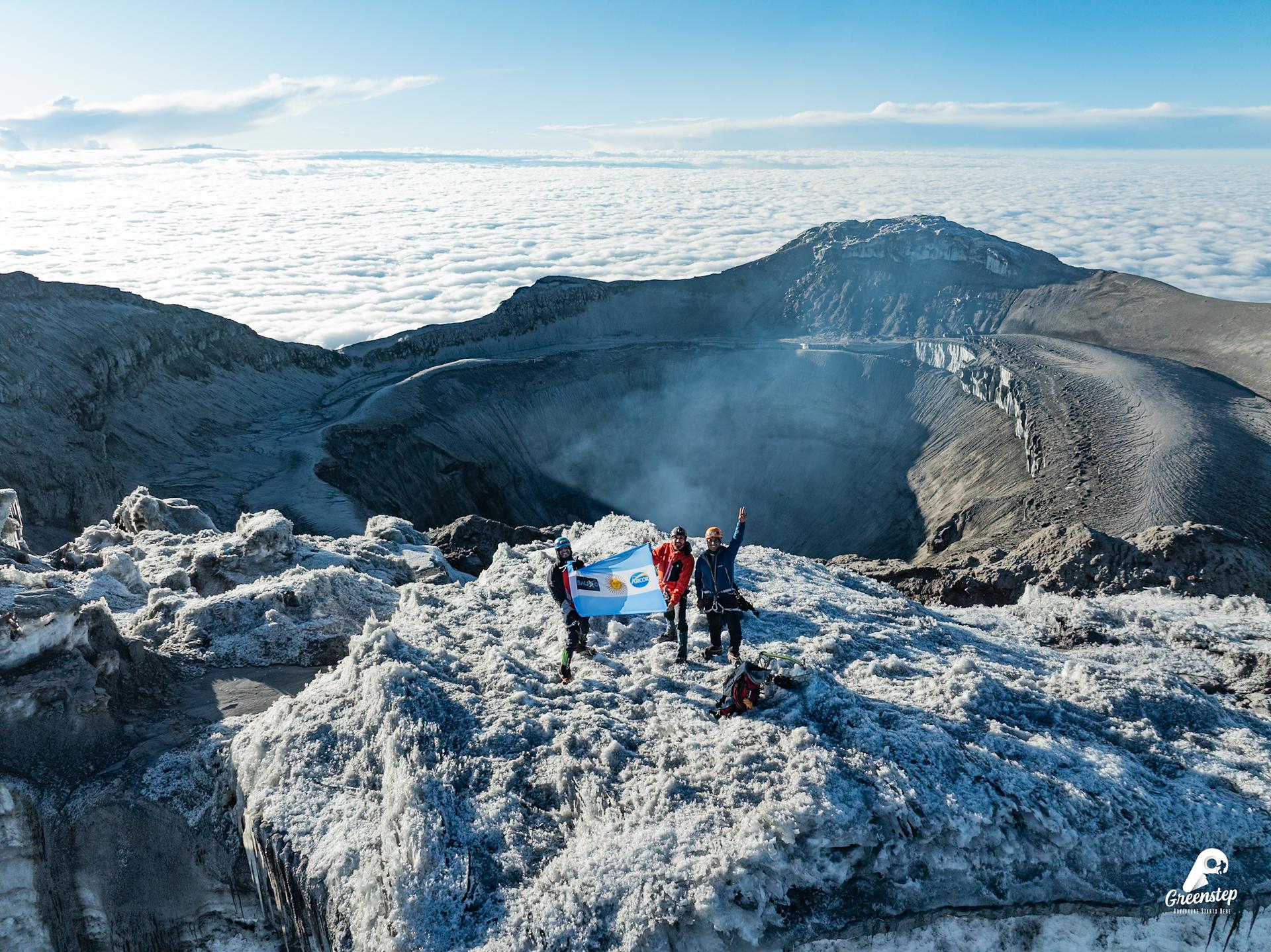
You climb up an equatorial glacier to the edge of an active crater. Few high-mountain experiences are so unique.
02
A great summit with simple logistics
Two days and one night from Machachi, about 50 km from Quito. You sleep at the refuge and set out in the early morning.
03
The best training for Chimborazo
It gives you acclimatization and practice with crampons, ice axe and rope: excellent preparation for higher mountains.
04
Sunrise over the glacier
The reward for a sleepless night: the first light over the glacier and the crater, from above.
Who is it for? Good physical fitness is required. Before departure, your professional guide gives a technical briefing.
See the expedition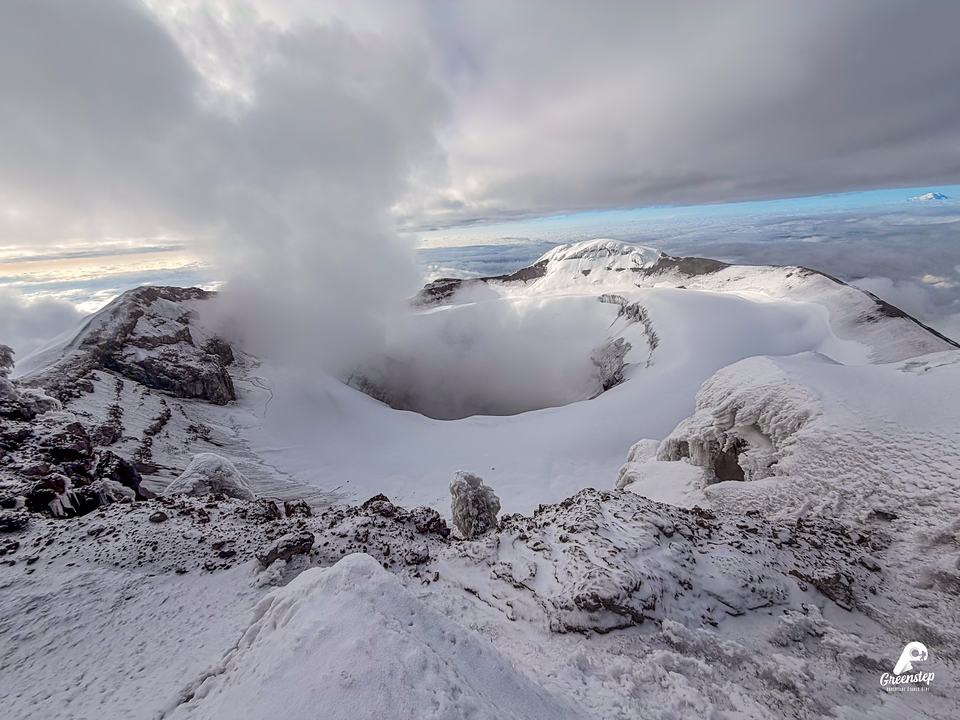
What makes it special
A volcano that is still alive
Active volcano
It has erupted for centuries. The 1877 eruption melted part of its ice cap and sent lahars more than 100 km away.
Equatorial glacier
It is one of the few equatorial glaciers on the planet.
A huge crater
It measures about 800 × 550 m and is about 250 m deep.
Sacred mountain
It was revered long before the Incas arrived.
Its name
Why is it called Cotopaxi?
It is a name of Quichua origin. The most repeated explanation joins two words: coto, “neck”, and paxi, “moon”. The “neck of the moon” would refer to the shape of its crater.
There is no consensus among scholars: other translations have been proposed. It is one of those questions the mountain has not yet answered.
Quichua
Coto
neck
Paxi
moon
First to climb it
Who climbed it first
1802
Alexander von Humboldt
The German naturalist attempts it and reaches about 4400 m, without making the summit.
1872
Wilhelm Reiss and Ángel Escobar
The German geologist and his Colombian companion reach the top in November: it is the first ascent. They climb by the southwest, following old lava channels.
1873
Alphons Stübel and four Ecuadorians
He repeats the route with Rafael Jantui, Melchor Páez, Vicente Ramón and Eusebio Rodríguez: the first Ecuadorians to climb a major mountain in the country.
1880
Edward Whymper, Jean-Antoine and Louis Carrel
The British mountaineer makes the third recorded ascent and spends a night on the summit.
How the climb works
What summit night is like
1
Machachi → parking lot
We leave Machachi, pass the park checkpoint and drive on to the parking lot, at about 4600 m.
2
Hike to the refuge
One hour of walking and about 200 m of elevation gain to the José Ribas refuge.
3
Dinner, technical briefing and rest
We settle in, have dinner, the guide explains the technique and we sleep a few hours.
4
Around 11 pm, the summit
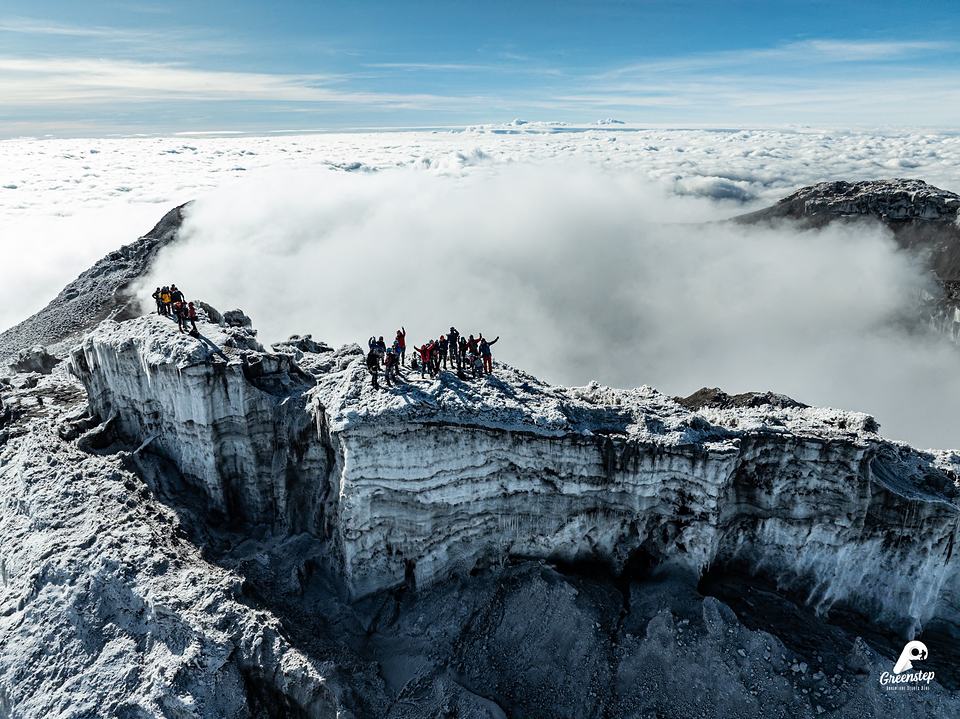
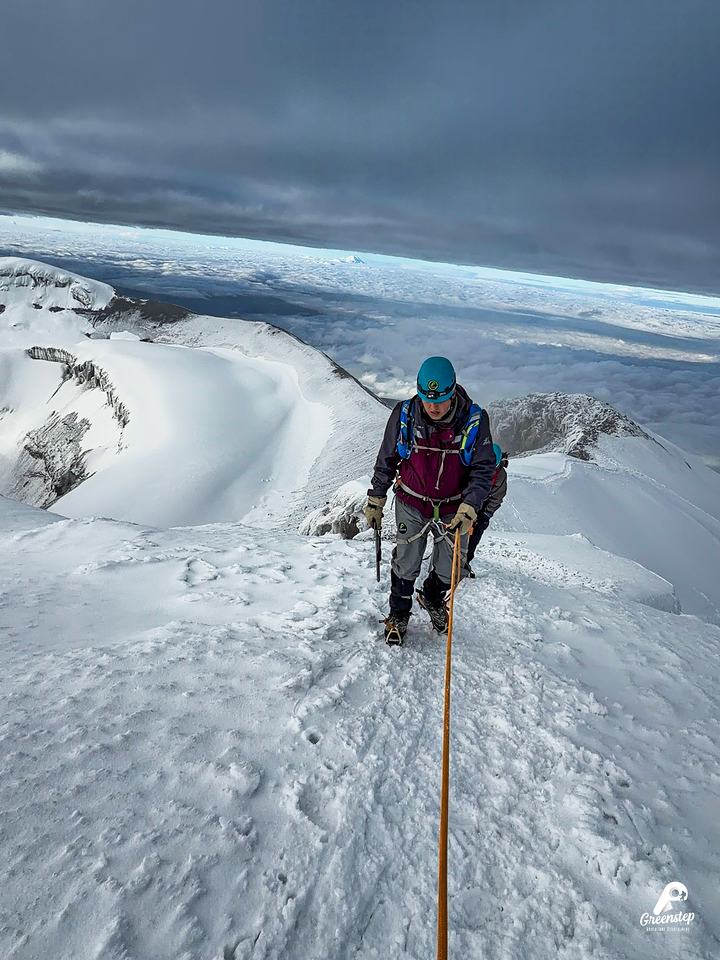
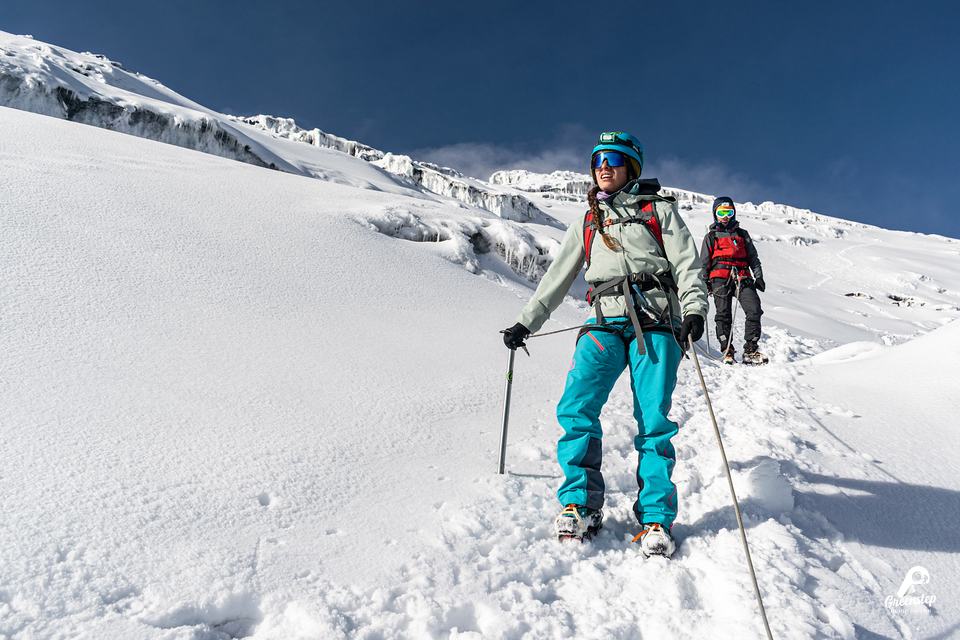
About 1100 m of elevation gain from the refuge: first a zigzag stretch of sand and scoria, up to about 5200 m, where the glacier begins; then, roped up and with crampons and ice axe, to the summit. We reach the summit by 7:00 am at the latest.
5
The return
We go down to the refuge, have breakfast and head back to the parking lot and Machachi.
Why in the early morning?
We set out at night because the snow is firmer and the crevasses are safer. That way we come back down before the sun softens the glacier.
Gear
What you need to climb
Provided by Greenstep
Technical equipment included
- Semi-rigid high-mountain boots
- Waterproof jacket and pants
- Gaiters
- Crampons
- Harness
- Carabiner
- Gloves
- Helmet
- Headlamp (batteries not included)
- Ice axe
- Sleeping bag rated for temperatures below 0 °C
- 50 L backpack
You bring
Essentials
- Base layer (thermal Lycra)
- Mid layer (fleece or down)
- Base-layer gloves
- Double socks: one compression pair and one merino wool pair
- Summit daypack (30 L maximum)
- Hydration
- Energy bars or nuts
- Sunscreen
- UV-protection glasses
- Buff, balaclava or cap (not cotton)
- Trekking shoes Optional: you can use the high-mountain boots we already include
The essentials are what you bring; they are not included. Without these items the summit climb cannot take place.
Refuge
The José Ribas refuge
It is the base of the expedition: this is where you have dinner, get the technical briefing and rest a few hours before setting out for the summit.
Altitude
4800 m
Built
1971 · expanded in 2005
To the summit
1100 m · about 6 h
How you sleep
In bunk beds, in shared rooms. We include a sleeping bag rated for temperatures below 0 °C.
Getting there
Getting to the refuge
- Quito → Machachi, the expedition's departure point: about 1 h 30 min by vehicle.
- Cotopaxi National Park checkpoint (the entry permit is included in the expedition).
- Parking lot, at about 4600 m.
- Walk of about 1 hour, with about 200 m of elevation gain.
- José Ribas refuge, at 4800 m.
Altitude profile (visual reference from 4400 m)
Summit
5897 m
+ 1100 m · about 6 h
Refuge
4800 m
+ 200 m · 1 h
Parking lot
≈ 4600 m
The way to the refuge is short. Beyond that, the glacier demands a professional guide, equipment and experience: that is why the expedition includes both.
See the expeditionBefore you go
Best season and preparation
Best season
You can climb all year round. From November to March there is usually more snow; from June to September it is colder and windier.
How to prepare
Good physical fitness and, if possible, prior acclimatization. A combination that works: Iliniza Norte, Cotopaxi and Chimborazo in the 7-day program.
See 3 summits in 7 daysFrequently asked questions
What people ask us most
How hard is it to climb Cotopaxi?
On our scale, 7/10. It is about 1100 m of elevation gain during the night, with crampons, ice axe and rope. Good physical fitness is required; before departure, the guide gives a technical briefing.
How long does the expedition last?
Two days and one night: hike to the refuge, rest, departure around 11 pm, summit by 7:00 am at the latest, and return to the refuge and Machachi.
What is included?
Professional guide (at least 1 for every 2 participants), transport, technical equipment, refuge accommodation, entry permit to Cotopaxi National Park, dinner, breakfast, hot drinks and a snack before the climb.
Can you climb without a guide?
The glacier has crevasses that change every season, and high-mountain weather changes quickly. We always recommend climbing with a professional guide.
How high is the refuge?
At 4800 m. From the parking lot it takes about 1 hour to walk there.
Next step
Ready to climb Cotopaxi?
A Greenstep advisor will help you on WhatsApp. They can adjust the program, dates and destination to what you need.
Other mountain guides